
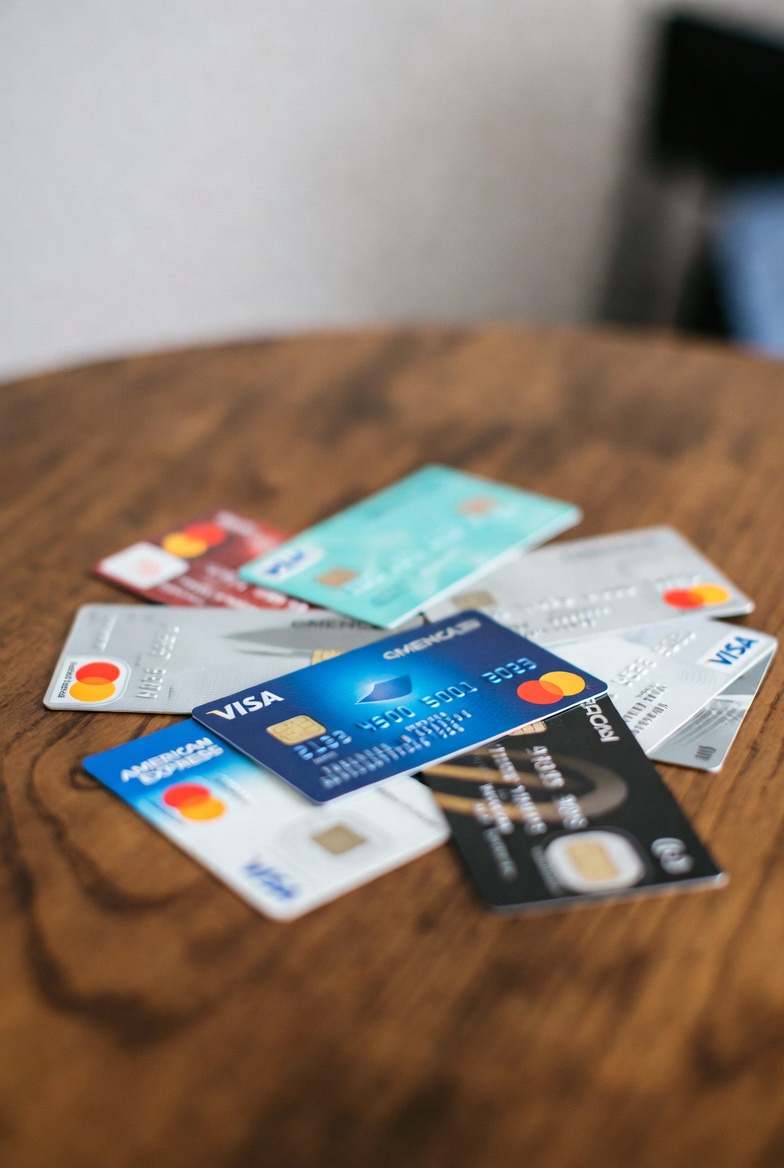
Os cartões de crédito são ferramentas financeiras poderosas, mas são regidos por regras rígidas que, se ignoradas, podem levar a perdas financeiras significativas. Em 2026, com as taxas de juros médias em torno de 19% a 23%, até mesmo pequenos erros podem se transformar em dívidas de longo prazo. Evitar as armadilhas mais comuns não se trata apenas de economizar em taxas; trata-se de garantir que você, e não o banco, permaneça no controle do seu capital.
A Armadilha do Pagamento Mínimo
Talvez o erro mais caro que um tomador de empréstimo possa cometer seja pagar consistentemente apenas o valor mínimo devido. Embora isso mantenha sua conta em “boa situação” e evite taxas de atraso, é a maneira menos eficiente de gerenciar dívidas.
Quando você paga apenas o mínimo, a grande maioria do seu pagamento vai para os juros, deixando o saldo principal praticamente intocado. Em 2026, para um saldo típico de $5.000, pagar apenas o mínimo pode significar permanecer endividado por mais de 15 anos e pagar quase o dobro do valor original apenas em juros. Profissionais veem o “pagamento mínimo” como uma opção apenas para emergências, visando, em vez disso, quitar o saldo total da fatura todo mês.
Ignorando a Data da Fatura vs. Data de Vencimento
Um erro sutil, mas custoso, em 2026 envolve o tempo de seus gastos em torno da data de fechamento da fatura em vez da data de vencimento.
Seu score de crédito é fortemente influenciado pela sua relação de utilização de crédito — a quantidade de crédito que você usa em comparação ao seu limite total. Os bancos geralmente relatam seu saldo para as agências de crédito na data de fechamento da fatura. Se você fizer uma grande compra e esperar até a data de vencimento (geralmente três semanas depois) para pagá-la, seu relatório de crédito pode mostrar uma alta utilização durante todo aquele mês, potencialmente fazendo seu score cair de 20 a 50 pontos, mesmo que você nunca tenha realmente perdido um pagamento.
A Falácia do Adiantamento em Dinheiro
Em uma emergência, usar seu cartão de crédito em um caixa eletrônico pode parecer uma solução rápida, mas adiantamentos em dinheiro estão entre as maneiras mais caras de pegar dinheiro emprestado. Ao contrário das compras padrão, os adiantamentos em dinheiro geralmente vêm com:
- Sem Período de Carência: Os juros começam a ser acumulados no exato momento em que o dinheiro sai da máquina.
- Taxas de Juros Mais Altas: A taxa de juros para adiantamentos em dinheiro é frequentemente de 5% a 10% maior do que a APR de compras do seu cartão.
- Taxas Iniciais: A maioria dos emissores cobra uma taxa fixa (por exemplo, $10) ou uma porcentagem (por exemplo, 5%) do valor do adiantamento.
Em 2026, quase sempre é mais barato usar um empréstimo pessoal ou até mesmo um saque de poupança de alto rendimento do que fazer um adiantamento em dinheiro em um cartão de crédito.
Perdendo os Detalhes sobre Recompensas
Many consumers choose cards based on flashy sign-up bonuses but fail to monitor the “rules of engagement.” Common reward-related mistakes include:
- Deixando os Pontos Expirarem: Milhões de dólares em valor são perdidos a cada ano porque os portadores de cartão esquecem de resgatar seus pontos antes que expirem ou antes que uma conta seja fechada.
- Perseguindo Recompensas através de Gastos Excessivos: Gastar $1.000 apenas para ganhar $30 em cashback é uma perda líquida. Se você se vê comprando itens que não precisa apenas para atingir um “limite de gastos,” o programa de recompensas está funcionando para o banco, não para você.
- Ignorando Desvalorizações: Em 2026, os bancos frequentemente atualizam suas proporções de “pontos para dólares.” Revisar regularmente os termos do seu cartão garante que você ainda está obtendo o melhor valor pela sua lealdade.
Aviso Final: Cuidado com taxas de atraso. Embora regulamentações recentes tenham limitado essas taxas para muitos grandes emissores, um único pagamento atrasado ainda pode acionar uma “APR de penalidade,” o que pode aumentar sua taxa de juros para quase 30% indefinidamente.
Ao automatizar seus pagamentos e tratar seu cartão de crédito como uma versão digital da sua conta bancária—nunca gastando mais do que você tem—você pode evitar esses erros caros e maximizar os benefícios do cenário de crédito de 2026.